
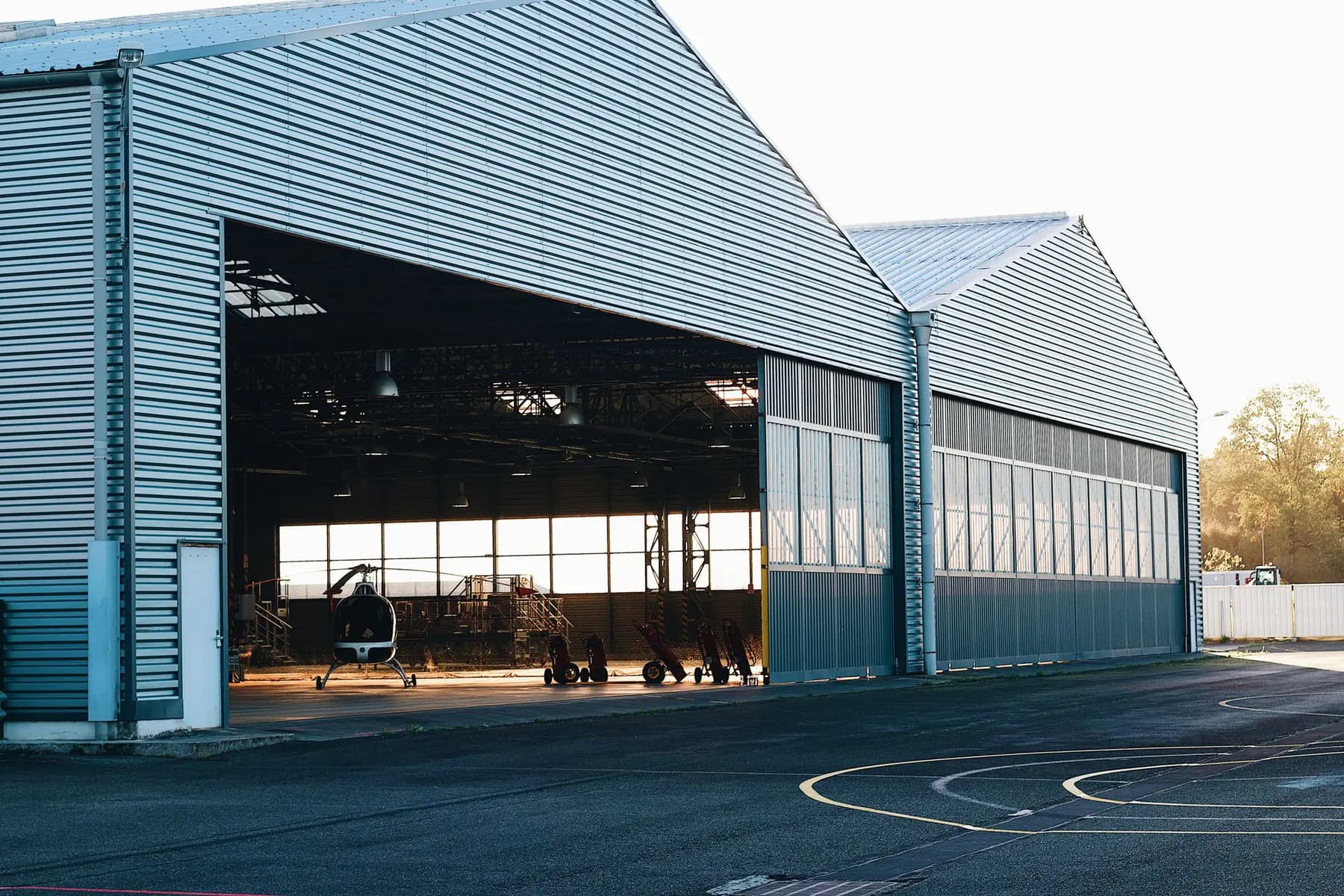
There is a natural temptation to maximise the covered area on an industrial plot, on the logic that more building means more value. For logistics and distribution assets this instinct can be self-defeating. A building that fills its plot but leaves trucks unable to manoeuvre, queue or turn is worth less than a slightly smaller building served by generous, well-planned circulation.
The yard is part of the machine
For an operating warehouse, the external yard is not leftover space — it is where the loading operation lives. Turning circles, reversing manoeuvres, trailer parking and the depth in front of loading doors all determine how quickly vehicles can be handled and how many can be on site at once. Constrain the yard and you constrain throughput.
- Yard depth in front of docks, sized for the largest expected vehicle
- Turning radius and swept-path clearance for articulated trucks
- Segregation of vehicle and pedestrian movement for safety
- Trailer and staff parking that does not block the operational yard
- One-way circulation where the plot allows, to reduce conflict
Utilisation is efficiency, not coverage
Good plot utilisation is measured by how effectively the site supports the operation, not by the percentage of ground that is covered. The most valuable industrial plots are frequently those that give a little footprint back to circulation, because that is what keeps trucks — and therefore the business — moving.
A dock a truck cannot reach is not a dock. It is a wall with a door in it.
References
- Design vehicle swept-path standards — verify applicable reference
- Project-specific authority and free-zone site requirements
Sample editorial content — illustrative only