
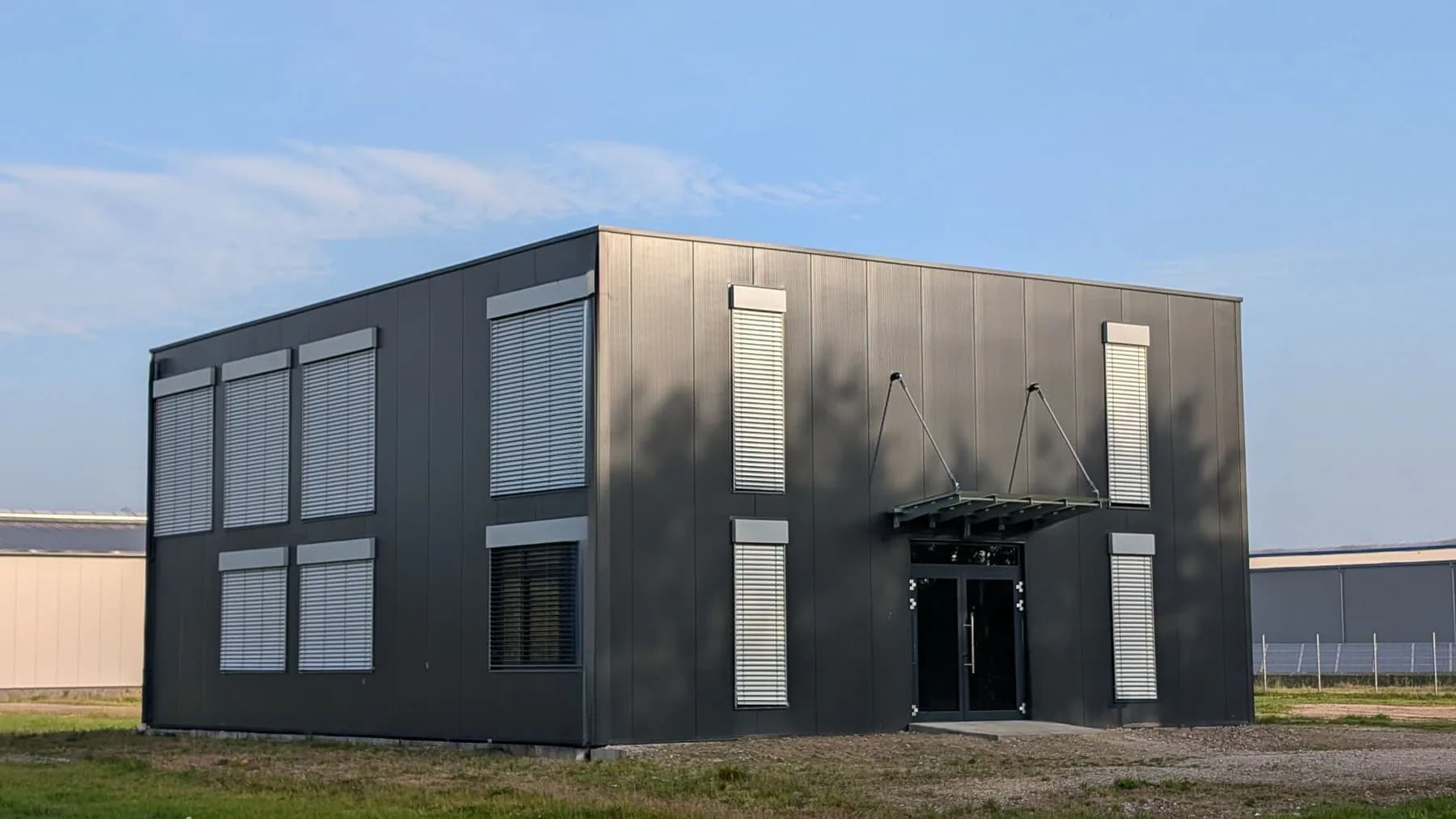
An industrial building is a long-lived asset that will very likely outlast its first occupier and its first use. Much of its long-term value therefore depends not on how well it suits today's tenant, but on how readily it adapts to the next one. Adaptability, designed in from the start, is the most reliable hedge an owner has against obsolescence.
What makes a building adaptable
- Generous clear height, which cannot be added economically later
- A structural grid that suits a range of racking and layout options
- Spare power capacity and space for additional services
- The potential to subdivide or combine units as demand shifts
- Ancillary office content that can flex with the occupier
Adaptability protects exit value
A building that can serve many operations appeals to more tenants and, in turn, to more buyers. Narrow, single-purpose specification does the opposite — it may serve the first occupier perfectly while limiting who can use or acquire the asset afterwards. Breadth of possible use tends to translate into resilience of value across market cycles.
Build for the second tenant
Designing with the next occupier in mind is not pessimism about the first; it is realism about the life of the asset. The buildings that hold their value are the ones that stay useful as operations, technologies and tenants change around them.
The most valuable industrial buildings are the ones that keep saying yes to new tenants.
References
- Industrial asset value commentary — verify current data
- Project-specific investment and design advice
Sample editorial content — illustrative only